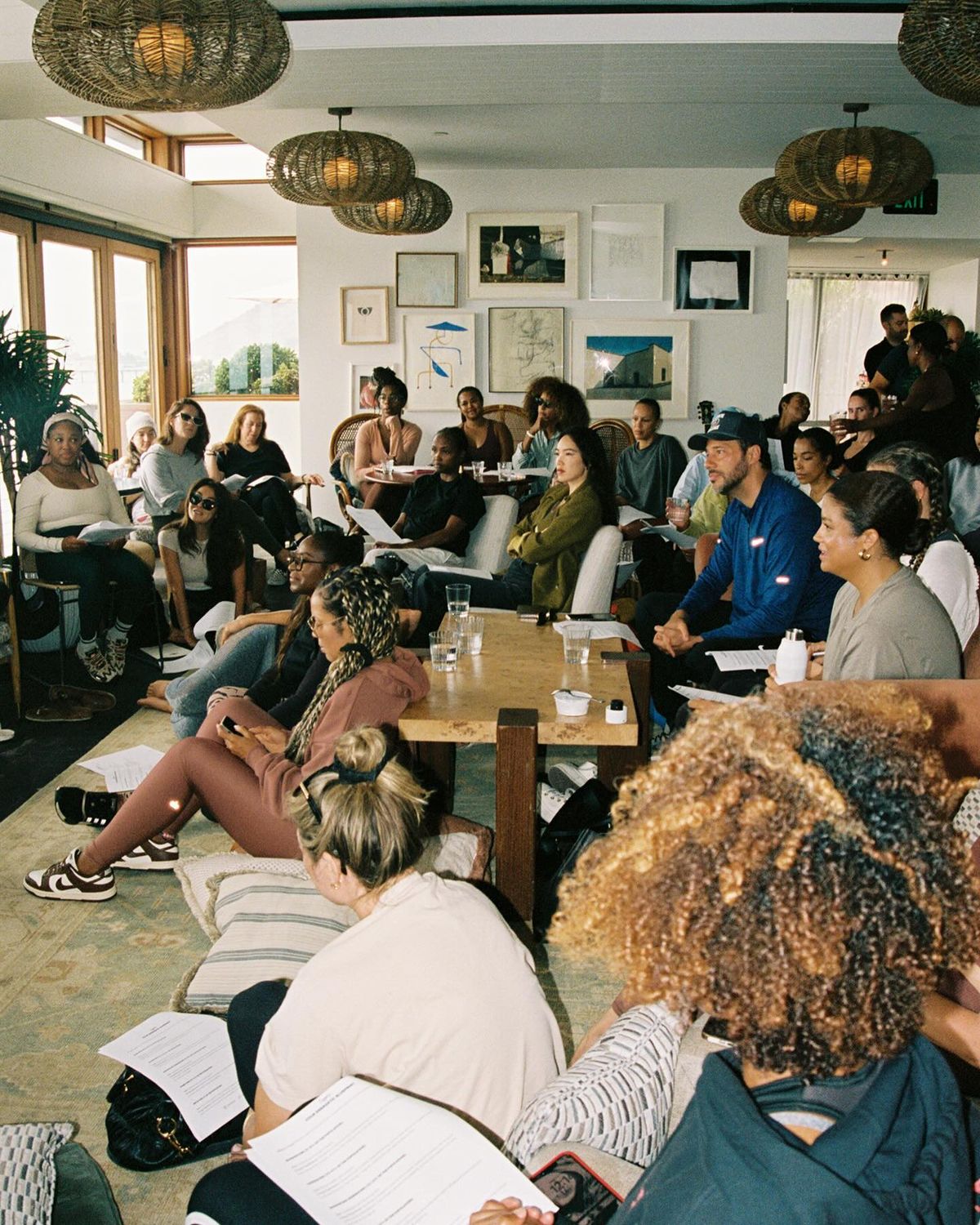
Audiences are useful. Communities are powerful.
A customer buys from a brand.
A community chooses to belong to it.
That difference matters.
Community OS helps brands move beyond reaching people to building something people want to be part of.
A shared interest.
A behaviour.
A place.
A movement.
An experience.
A reason to come back.
Don’t just build an audience. Build something people belong to.

The opportunity
Your customers have more in common than buying your product.
People gather around things they care about.
Food.
Sport.
Music.
Money.
Travel.
Fitness.
Gaming.
Identity.
Places.
Ideas.
Sometimes the product is what brings people in.
But it doesn’t have to be what keeps them there.
The opportunity is to find the shared interest, behaviour or cultural territory that can connect people to each other — and give the brand a meaningful role in that relationship.
That’s when an audience can become a community.

What this capability does
It turns attention into participation.
Community OS creates the structures, experiences and relationships that allow people to participate around a shared idea.
We look for the intersection of:
What people care about
×
What brings them together
×
What the brand can contribute
×
What can create lasting value
That could become a digital community.
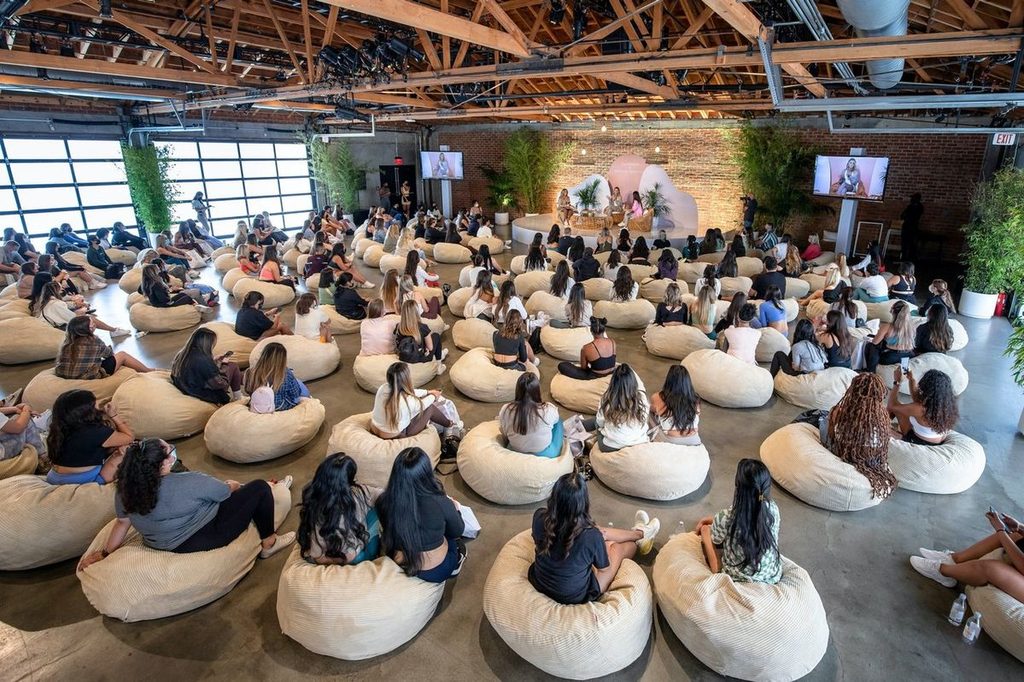
An event series.
A creator network.
A membership programme.
A group of ambassadors.
A recurring experience.
A partnership ecosystem.
Or something that doesn’t exist yet.
The format is secondary.
The relationship is the product.
What we actually do
We build communities around something worth belonging to.
Community isn’t simply replying to comments or moderating a Facebook group.
It’s about creating the conditions for people to participate, connect and return.
Community strategy
Define why the community should exist, who it is for, what brings people together and what role the brand should play.
Community architecture
Design how the community works.
Spaces, platforms, membership, roles, rituals, access, participation and pathways.
Audience-to-community development
Identify where an existing audience could become something deeper.
Who is already highly engaged?
What do they have in common?
What could make them want to connect with each other?
Engagement
Create reasons for people to participate.
Conversations, challenges, content, rituals, experiences, recognition and other mechanisms that give the community life.
Events & experiences
Take the community into the real world.
Events, activations, gatherings, experiences and programming that give people somewhere to meet.
Partnerships & sponsorships
Connect the community with organisations, brands, creators and institutions that can add value.
Creator relationships
Build networks of creators, ambassadors and influential community members who can help shape and grow the ecosystem.
Community programming
Give the community something to come back for.
A calendar isn’t enough.
The goal is a rhythm of activity that creates belonging over time.
Measurement & intelligence
Understand participation, engagement, retention, sentiment and the behaviours that show whether the community is becoming stronger.

How it connects to the Marketing OS
Community is where marketing becomes participation.
Community OS takes the strategy, cultural territory, content and social activity from the wider Marketing OS and turns them into relationships.
Strategy OS
Defines the opportunity and the role marketing needs to play.
↓
Culture OS
Identifies the cultural territory and communities around it.
↓
Content OS
Creates the ideas and stories that give people something to engage with.
↓
Social OS
Creates the platforms and pathways for discovery and participation.
↓
Growth OS
Brings more of the right people into the ecosystem.
↓
Community OS
Turns those people into participants, relationships and advocates.
Then the community feeds the system again.
Participate → Learn → Create → Connect → Grow
The community isn’t the end of the funnel.
It’s part of the marketing system.
Typical outputs
Communities need something to participate in.
Depending on the opportunity, Community OS can include:
- Community strategy
- Membership models
- Community platforms
- Community programming
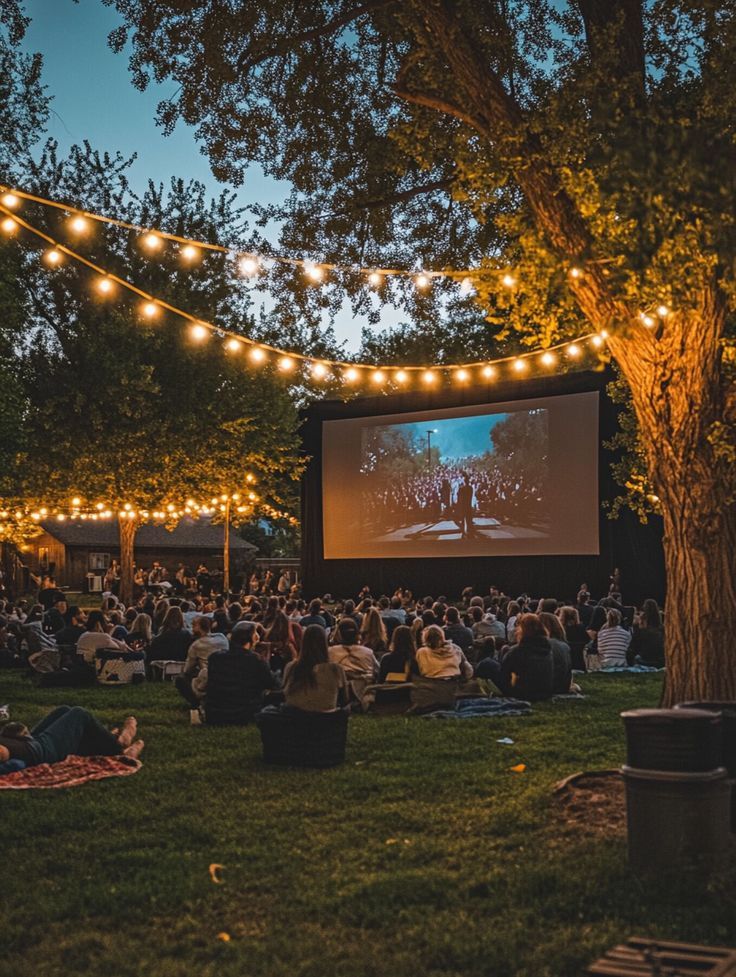
- Events
- Experiences
- Activations
- Creator networks
- Partnerships
- Sponsorships
- Community rituals
- Participation mechanics
- Community intelligence
The output isn’t simply a bigger audience.
It’s a stronger relationship between people — and a meaningful role for the brand inside it.
The PARADOX Journal
Your customers might be looking for more than your product.
They might be looking for people.
A place.
An experience.
A shared interest.
A reason to belong.
Let’s find what’s worth building.
You run the business. We run the marketing.