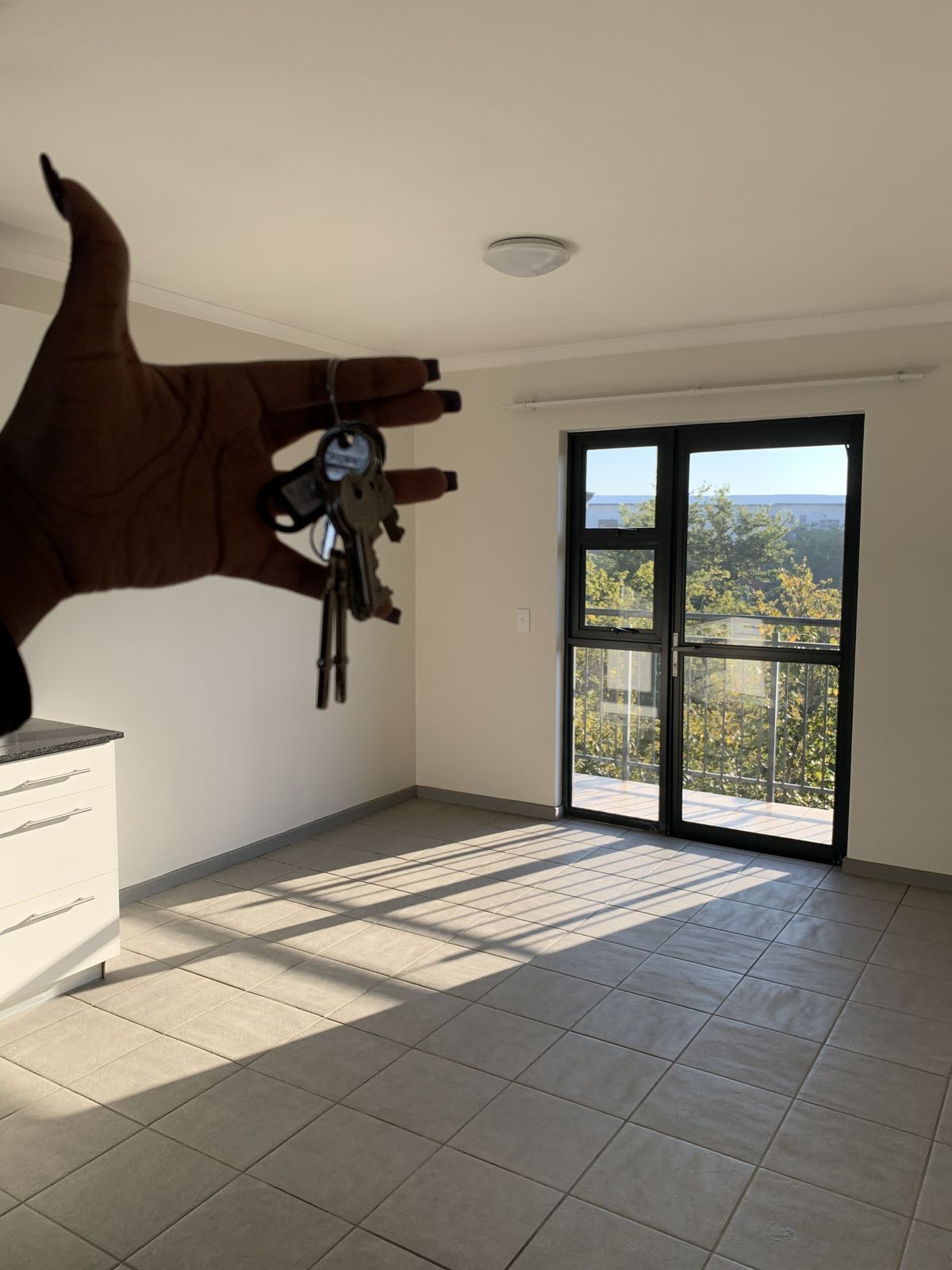
Property is physical. The decision to buy it is emotional.
A building is bricks, concrete, glass and steel.
A property portfolio is land, capital and yield.
A development is square metres, infrastructure and economics.
But nobody wakes up wanting square metres.
They want a home.
A better life.
A better address.
A place to belong.
An investment that makes sense.
A future they can see themselves in.
The property may be physical. The value people attach to it is not.

The Property Paradox
Real estate is one of the most tangible categories in business.
Its marketing can be surprisingly intangible.
Developments can start to look the same.
Agents can sound the same.
Listings can blur together.
Every location becomes “perfectly positioned”.
Every development becomes “exceptional”.
Every investment promises “opportunity”.
Meanwhile, the customer is making one of the biggest decisions of their life.
So the challenge isn’t simply to show the property.
It’s to make someone see themselves in it.

You’re not selling a building
You’re selling what happens there.
The morning commute.
The Sunday braai.
The first home.
The family growing up.
The business expanding.
The view.
The neighbourhood.
The lifestyle.
The return.
That changes how we think about property marketing.
The development is the product.
The life around it is the proposition.

What we look at
THE ASSET
What are we actually selling?
Residential. Commercial. Retail. Hospitality. Mixed-use. Investment. Development.
We understand the fundamentals: location, product, price, positioning, yield, demand, inventory and the commercial objective.
Because good marketing can’t rescue an offer that doesn’t make sense.
THE MARKET
Where is demand coming from?
Who can afford the product?
Who is moving?
Who is investing?
What is changing in the area?
What alternatives exist?
We connect market intelligence to the commercial reality of the asset.
The right property still needs the right buyer.
THE AUDIENCE
A property isn’t bought by a demographic.
It’s bought by someone with a specific reason for being in the market.
First-time buyer.
Growing family.
Investor.
Downsizer.
Entrepreneur.
Tenant.
Lifestyle buyer.
Different motivations create different propositions.
One development can have more than one story.
THE PLACE
Location is more than a pin on Google Maps.
It’s identity.
The neighbourhood.
The people.
The businesses.
The culture.
The future.
The reputation.
We look at the world around the property because place creates meaning.
THE CULTURE
Property sits inside broader shifts in how people live.
Urbanisation.
Remote and hybrid work.
Changing household structures.
New lifestyle aspirations.
Investment behaviour.
Mobility.
Hospitality and experience.
The question isn’t just what people want to buy.
It’s how they want to live.
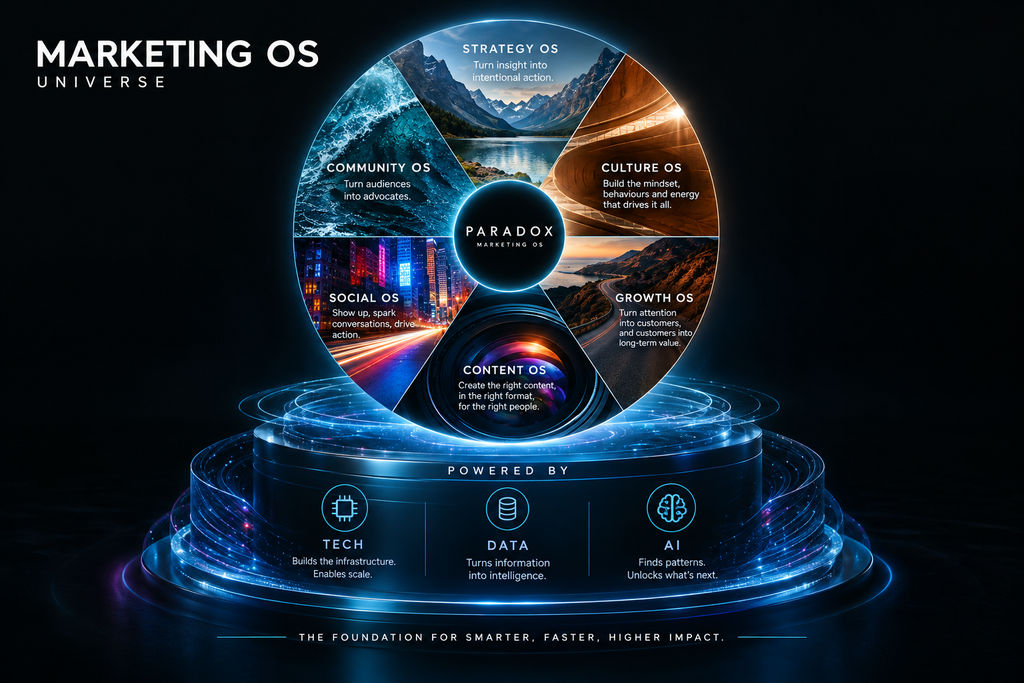
One Marketing OS. Built around the asset.
STRATEGY OS
Give the property a commercial position.
Define the audience, proposition, positioning, pricing logic, demand strategy and commercial role of the asset.
CULTURE OS
Find the meaning around the place.
Understand the communities, behaviours, lifestyle aspirations and cultural territories that can make the property more than another listing.
GROWTH OS
Turn interest into enquiries, viewings and sales.
Connect demand creation, lead generation, customer qualification, conversion, CRM and measurement.
Because a beautiful campaign that produces no qualified buyers isn’t a beautiful campaign.
CONTENT OS
Make people imagine themselves there.
Photography, film, social content, walkthroughs, editorial, creator content and storytelling.
Not simply showing the property.
Showing the possibility.
SOCIAL OS
Put the property into culture.
Property discovery increasingly happens beyond traditional listings.
Social gives developments the opportunity to show the lifestyle, people and stories surrounding the asset — not just its specifications.
COMMUNITY OS
Build belonging before the sale.
Residents, buyers, investors, local businesses, communities and advocates can become part of the property’s story.
For developments especially, community isn’t just something you market to.
It’s something you build.
Commercial enough for the asset. Human enough for the buyer.
We care about leads.
But we also care about the quality of those leads.
We care about enquiries.
But we also care about what happens after the enquiry.
We care about occupancy and sales.
But we also care about the brand equity being built around the development.
Because property marketing has a tendency to split into two extremes:
beautiful branding with no commercial engine, or aggressive lead generation with no brand.
We don’t think you have to choose.
Build the desire. Build the demand. Build the relationship.
Built for Property. Not built around listings.
Your sales team knows the inventory.
Your development team knows the asset.
Your finance team knows the economics.
Your agents know the market.
Marketing needs to connect all of it.
Strategy.
Culture.
Creative.
Content.
Social.
Growth.
CRM.
Community.
Data.
One integrated team. One Marketing OS. One commercial direction.
The Property Question
Anyone can show someone a property.
The harder question is:
Can you make them see themselves there?
Because people don’t buy buildings.
They buy what those buildings make possible.
Sell the place. Sell the possibility. Sell the future.
That’s Property & Real Estate, the PARADOX way.
You run the business. We run the marketing.