
Tag: Fashion
-

The Business of Belonging
In South Africa, community has rarely needed a brand to exist. That makes our market an interesting lesson in what businesses get wrong when they try to manufacture belonging instead of earning a place inside it.
-

From Local Identity to Global Brand: The Power of Cultural Specificity
The brands travelling furthest across borders are not necessarily the ones that look the most global. Increasingly, the strongest international identities are built by becoming more specific about where they come from.
-

Culture Is Not a Trend Report
Brands have become very good at spotting trends. Far fewer understand the culture that produces them. The distinction matters because trends tell you what people are doing. Culture helps explain why.
-

Why Brands Need to Understand Fandom
Loyal customers buy from you. Fans do something different: they talk about you, identify with you, bring other people in and often build culture around what you make. For brands, understanding fandom means understanding what happens when a product stops being merely useful and starts meaning something to people.
-

The Case for Marketing-as-a-Service
A growing business doesn’t necessarily need a bigger marketing department. It needs the right people doing the right work, with someone taking responsibility for making it all work together. That’s the case for Marketing-as-a-Service.
-

The Real Cost of Fragmented Marketing
Multiple agencies, disconnected teams and competing priorities can make marketing look busy. But beneath the activity lies a less visible cost: duplicated effort, missed opportunities and a business that pays for marketing without getting the full value of it.
-

MaXhosa at Paris Fashion Week: Africa Doesn’t Need Permission to Be Luxury
MaXhosa’s Paris Fashion Week debut is a landmark for South African fashion. But perhaps the bigger story isn’t that an African brand has finally made it onto one of the world’s most influential fashion stages. It’s why we still treat that stage as the ultimate measure of success.
-

The Problem with Linear Marketing
Marketing plans love a straight line. Customers, markets and culture rarely follow one. And when businesses mistake the plan for reality, they risk spending more time executing yesterday’s thinking than responding to today’s opportunities.
-
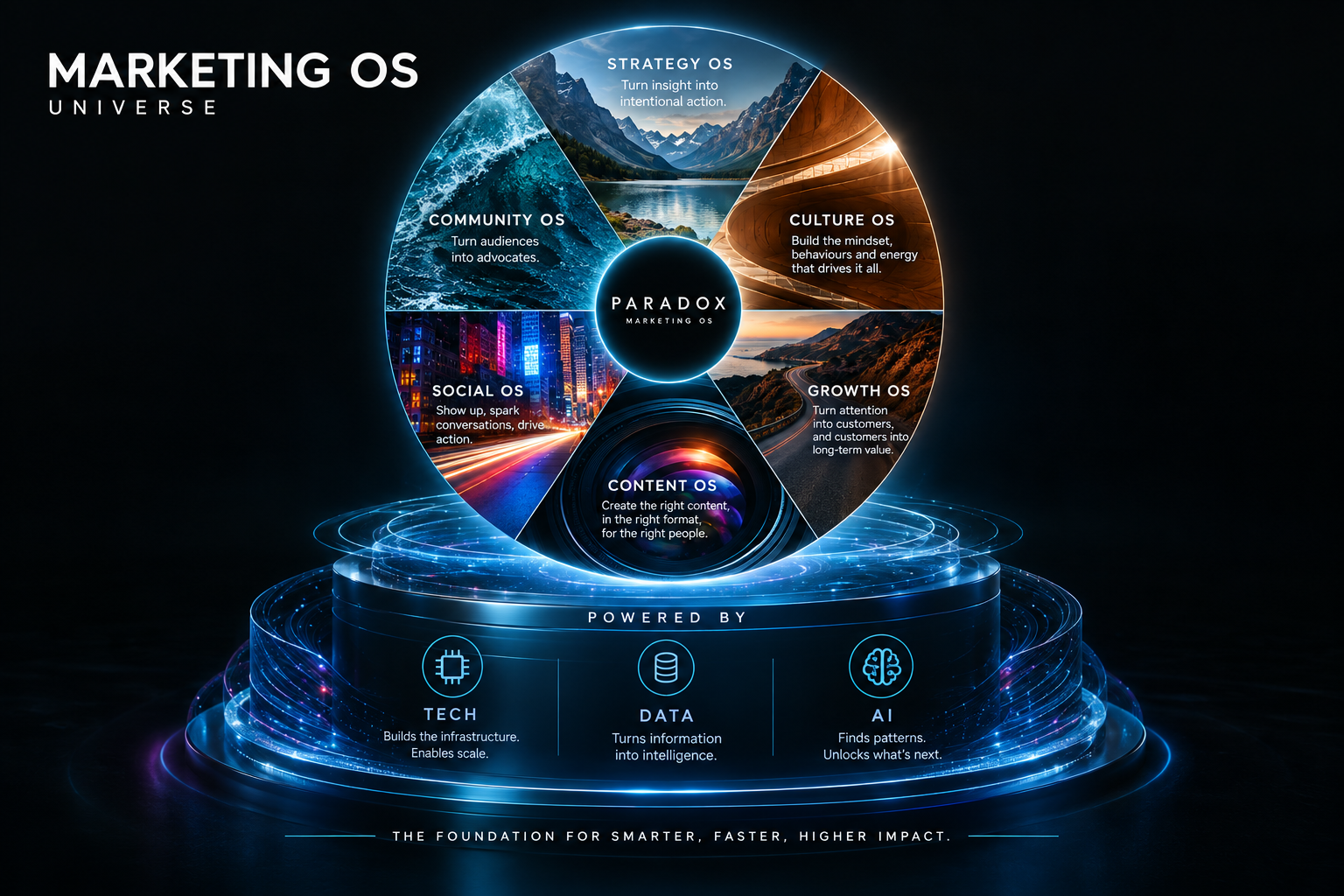
Marketing is not a department. It’s an Operating System.
Businesses have spent decades organising marketing around people, functions and channels. But the way customers experience brands has changed. Perhaps it’s time the way businesses organise marketing changed, too.